Arsenal and Brasilian centerback Gabriel Magalhaes was omitted from the Brazilian Olympic squad due to a knee injury that was termed “tendinitis and knee joint swelling”. The player reportedly reported to camp with some knee pain and following MRI and short-term physio, it was determined that he wouldn’t recover in time.
What’s the injury?
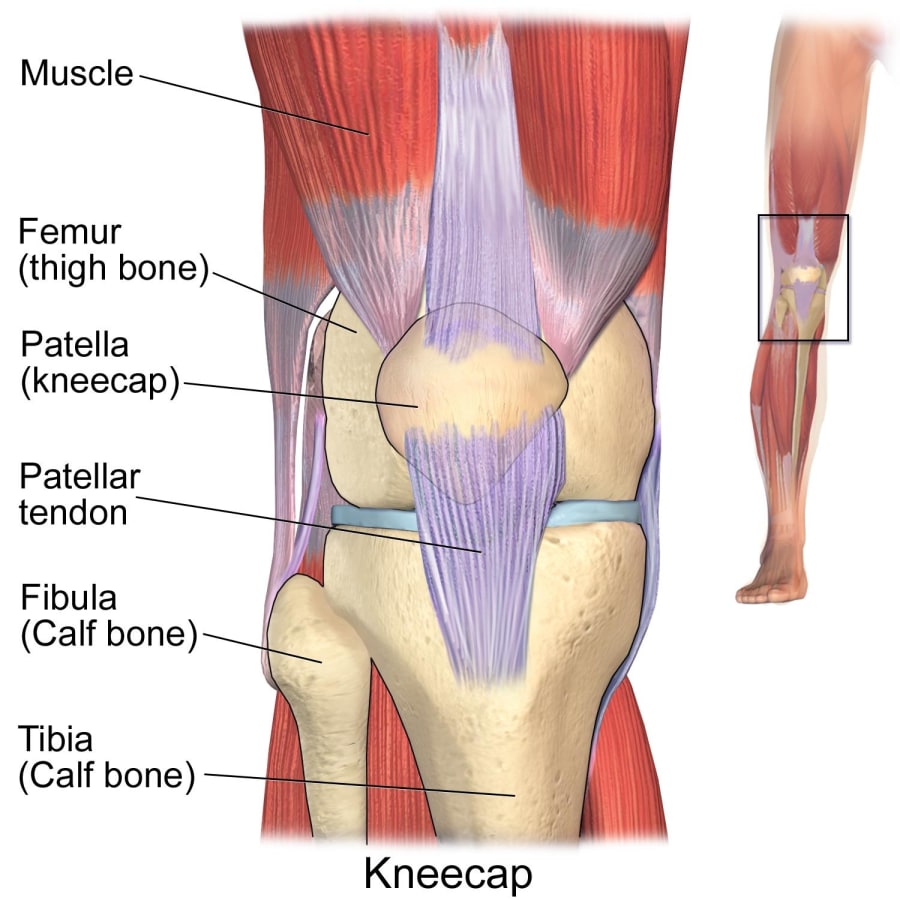
Based on prevalence, this is most likely patellar tendonitis – often colloquially referred to as “jumpers knee” – which is the tendon that sits below the kneecap and connects it to the tibia (shin bone). It’s key for absorbing and creating energy during running, jumping, landing, and kicking which explains why it’s relatively common in footballers.
The knee joint swelling is quite vague and could be attributed to a number of things. We await further information on that.
What’s the root cause?
The root cause of patellar tendonitis is nearly always overuse and considering the congested nature of Gabriel’s schedule since he joined Arsenal – even though he missed significant time with COVID19, the games he played did come thick and fast – overuse is very likely the root cause of his problems here.
How bad is it?
The issue doesn’t seem overtly serious for multiple reasons.
Firstly, there were multiple occasions during the season where Gabriel’s knees were taped which may indicate the problem was already being managed effectively. If the injury was considered serious, he very likely wouldn’t have been cleared to play on the Olympics squad.
Secondly, in an Instagram post announcing his departure, Gabriel explicitly mentioned that the issue wasn’t serious.
Return Timeline?
No return timeline has been given but the information we do have is that the player wouldn’t have been ready for the Olympics which very likely means his rehab will continue into Arsenal’s pre-season that began a few days ago. Physio and return to play for patellar tendonitis is very much a day to day process where you have to manage load and rest.
We don’t know much about the knee joint swelling so that could be a confounding factor in his return.
Long-term Impact?
When caught early and managed appropriately, patellar tendonitis can be treated and dealt with quite effectively. Even in chronic cases, it can still be managed well. For example, tennis superstar Rafa Nadal has deal with it in both knees since he was 20 years old and he’s had a decent career only winning 20 grand slam titles.
For a more direct example, Arsenal’s physio and training staff managed Martin Odegaard’s chronic patellar tendinopathy quite well during his loan period with the player only missing games due to an ankle sprain.
In Gabriel’s case, I imagine the physio and training staff will take extra precaution to make sure he’s as healthy as possible heading into the season and set him up for success during what will be a critical season for Mikel Arteta’s vision of Arsenal.
If you prefer a video version, you can find that Arsenal analysis here:
Fin. COYG.
Dr Rajpal Brar, DPT, (@3cbperformance) is a physiotherapist, movement expert, fitness trainer, sports scientist and mindfulness coach. He runs the LA and online based wellness and athletic performance clinic 3CB Performance, is an avid Gooner since 1995, and you can subscribe to his Youtube channel (which posts a variety of Gunners’ related content).