Arsenal youngster and key attacking midfielder Emile Smith Rowe was taken off in the 41st minute in the club’s eventual resounding 3-1 victory over Leicester City over the weekend on February 28th.
Although information on the injury and the player’s status remains sparse, it looks to be a soft tissue (muscular) injury which comes as no surprise considering Smith Rowe’s heavy involvement in matches since being introduced into the 1st team in December. That consistent run of minutes combined with the jump in intensity – nothing can truly prepare a player for 1st team football intensity, especially a younger player who hasn’t been at that level before – are both risk factors for soft tissue injuries.
The pertinent question becomes – what did Smith Rowe possibly injure and how long of an absence will it result in? Of course I can’t be sure without direct knowledge of the situation – and in that case, I wouldn’t be sharing it anyways! – or the medical team confirming the issue, but there are two key pieces of information that provide good clues on the injury itself and severity, both of which influence the return timeline.
1 – Emile Smith Rowe’s initial response
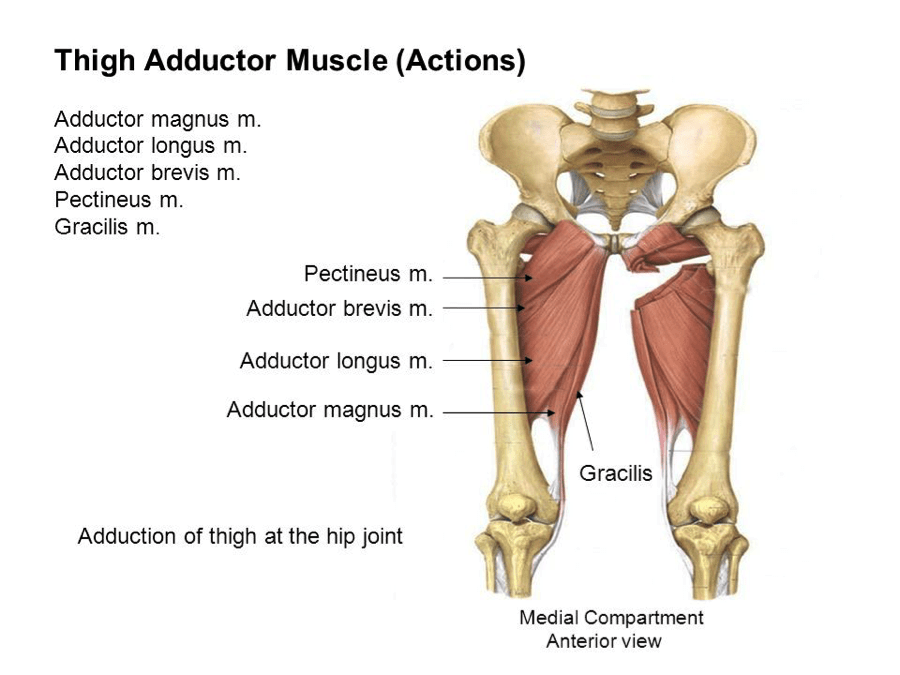
ESR grabbed at his inner thigh area as he was leaving the pitch. This clues us in on anatomy as this typically indicates three muscular possibilities:
A. The first – and most common – are the adductors which are a group of muscles that run from the bottom of the pelvis along the inside of the thigh down to the knee. If you’ve ever heard a mate or player say “I’ve done my groin”, it’s likely this muscle group with the adductor longus the most commonly injured.
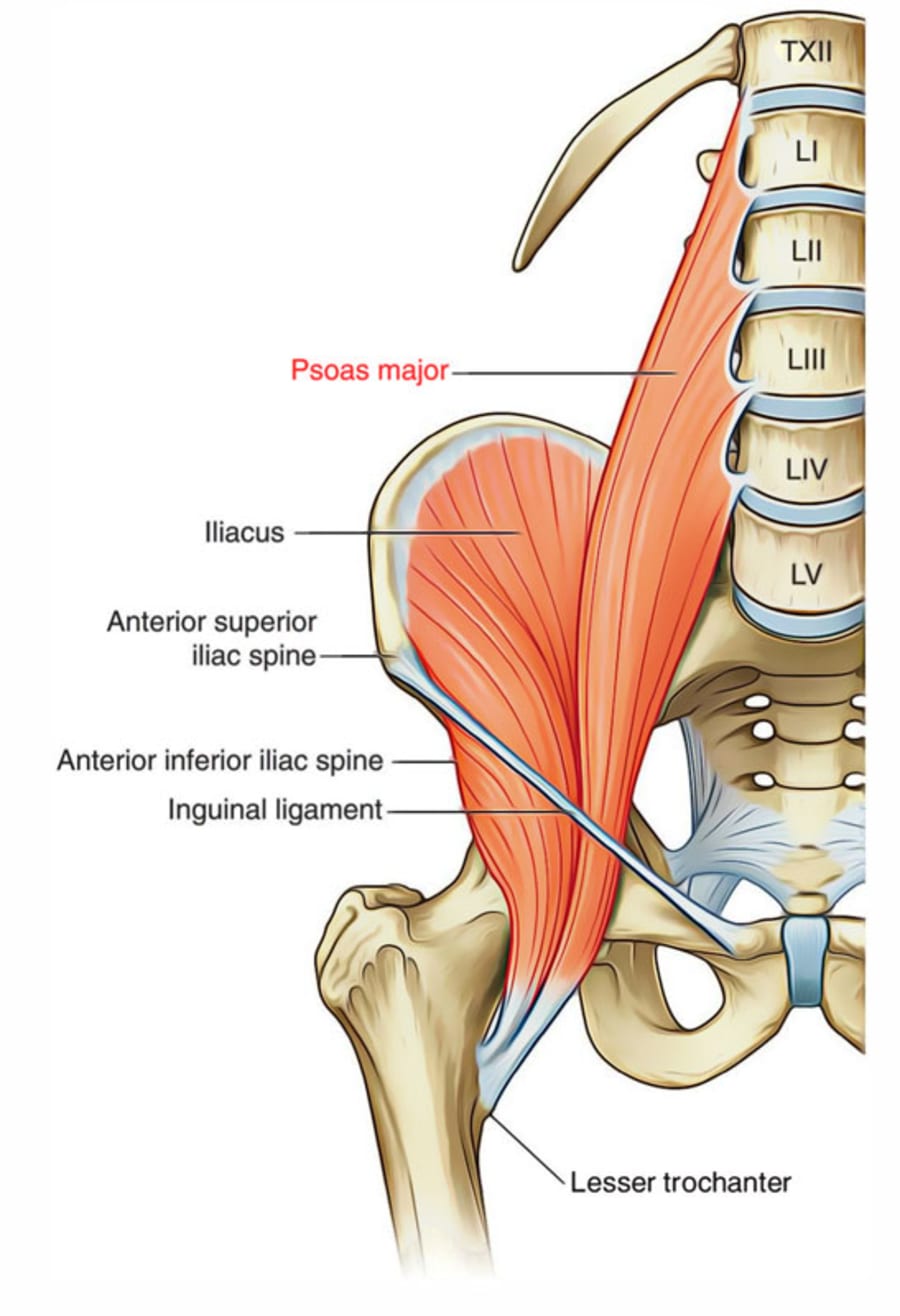
B. The second possibility are the major hip flexors – which help bring upper thigh up towards you or control hip extension – which at their distal end, run near the adductors.
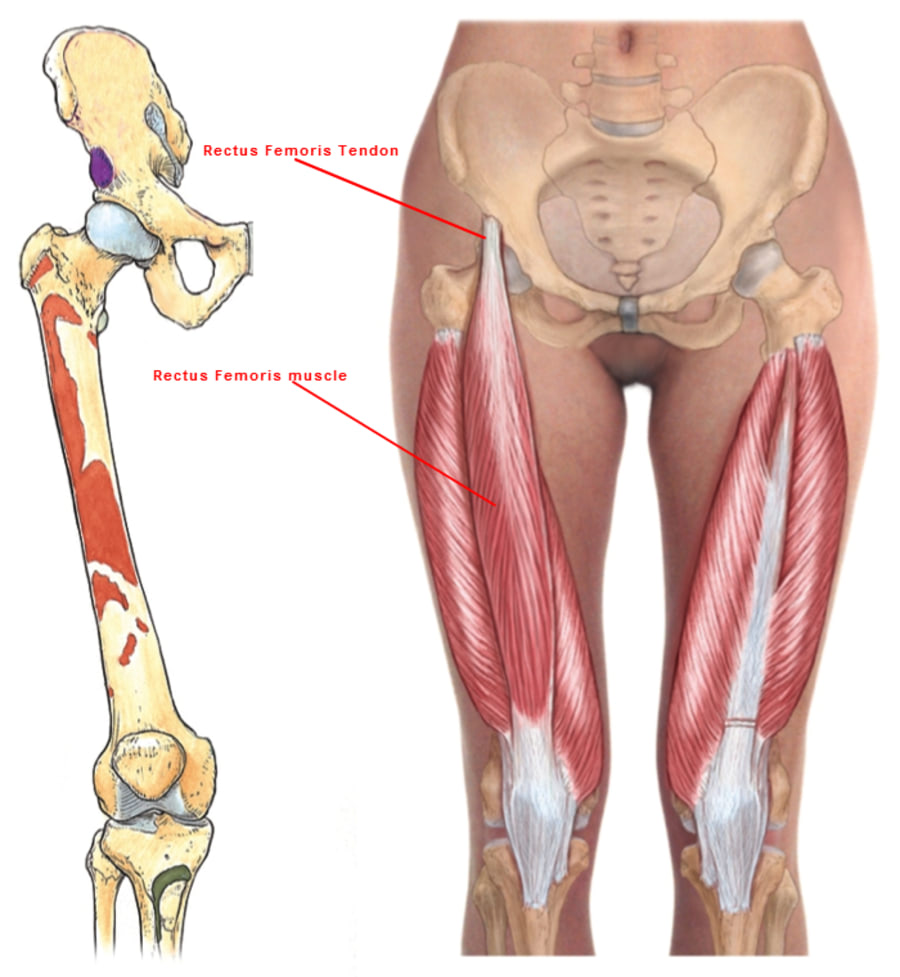
C. The third and final possibility is one of the quadriceps muscles – the rectus femoris – that also crosses the hip joint and is near the inner thigh region.
2 – Mikel Arteta’s comments
During Wednesday’s media interview, manager Mikel Arteta gave a brief update on Emile Smith Rowe’s injury:
“Emile had a scan yesterday, it doesn’t look a significant injury but he was in discomfort.”
This information – albeit quite brief – hints that the injury may only be a mild injury. If in fact muscular, likely a grade 1 tear.
___
3 – So what’s the return timeline
If the injury is indeed one of the three mentioned and a grade 1 severity, then the return timeline is typically around 7 – 14 days depending on player response and how the injury involves. The key thing is to reduce risks of re-injury which is by far the most prevalent risk following a muscular injury.
4 – The importance of team depth
Arsenal’s acquisition of Martin Ødegaard on loan from Real Madrid looms even larger now, with the player able to fill in some of the creative links as ESR recovers – albeit in a much different manner, tending to drop deeper and attack forward into space with his dribble and weighted passes rather than ESR’s inclination for quick combination play, drop-offs, and filling half spaces out wide.
Further, the emergence of Nicolas Pepe as a consistent threat may also be key in allowing ESR to not rush back from injury as ESR had been positioned out wide to play alongside Ødegaard, a role that Pepe may be able to fill now.
Fin. COYG.
___
For those who prefer a video version, here you are:
Dr. Rajpal Brar, DPT (@3cbperformance) is a Doctor of Physio, sports scientist, movement and strength training expert, youth football coach, mindfulness teacher, and data enthusiast. He’s the owner of 3cbPerformance – providing sports medicine, performance, and mindfulness services online and in-person at clinics in West Los Angeles and Valencia, CA – and an avid Gooner since 1995.