Granit Xhaka injured his right leg in the closing minutes of this past weekend’s North London Derby, his right leg collapsing inwards after Lucas Moura was clattered into by Thomas Partey and fell into the Swiss international captain.
Xhaka was immediately in clear pain, staying on the ground for an extended period of time and then gingerly walking his way to the sidelines where he was consoled by manager Mikel Arteta.
The injury
The club released an official update yesterday that revealed Xhaka had a “significant” injury to his “medial knee ligament”.
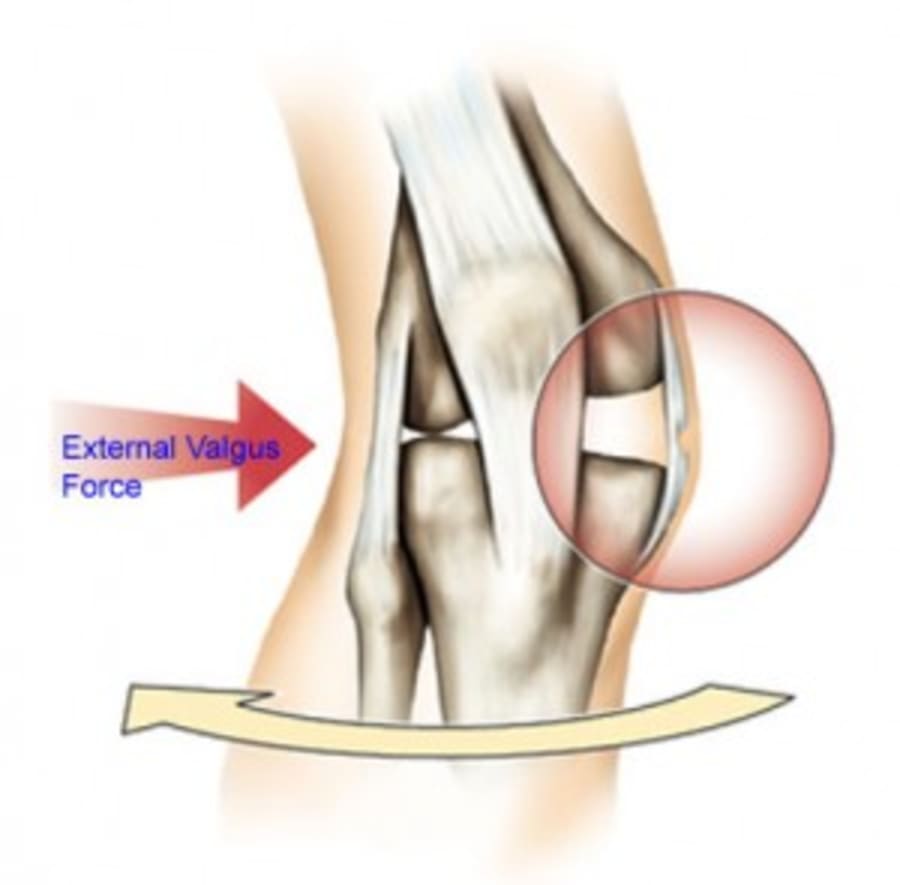
This refers to the medial collateral ligament – or MCL- which comes under significant stress during valgus moments (the knee moving inwards). With enough force, the ligament will tear and potentially rupture.
Severity & Timeline
The severity of the ligament injury – graded from 1 to 3 in ascending order of damage with 3 being a full rupture – dictates the return to play timeline.
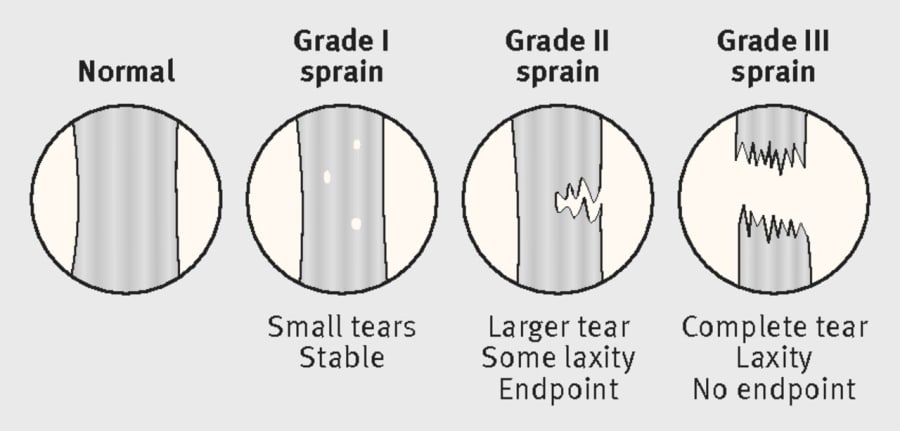
In Xhaka’s case, the club has approximated a three month return to play timeline which implies he has a complete rupture of the ligament. The average timeline for these injuries is typically 10-12 weeks and my guess is the club wants to give some buffer and be conservative to avoid undue pressure on the player.
Why It’s Actually Good News
You might be wondering – “a key midfielder is potentially out three months, how is that good news??! Come off it, mate.”
Well, it could’ve been much worse.
Based on the mechanism of injury with Xhaka’s foot planted on the ground, the player unaware of Moura bundling towards him which leads to no reactionary movement, and the knee buckling inwards with some internal (inner) rotation, I was quite worried for a potential anterior cruciate ligament (ACL) rupture. These come with a 9+ month return timeline and potential knock-on effects, as we’ve seen with Hector Bellerin.
Further, I’ll always joke that the “best” ligament to injure is the MCL and there’s some serious truth to it. It heals very well due to its blood flow and results in less short-term range of motion and functional losses which means quicker return to strengthening, mobility, movement, and the pitch. For these reasons, it rarely requires surgery even in the case of a full rupture.
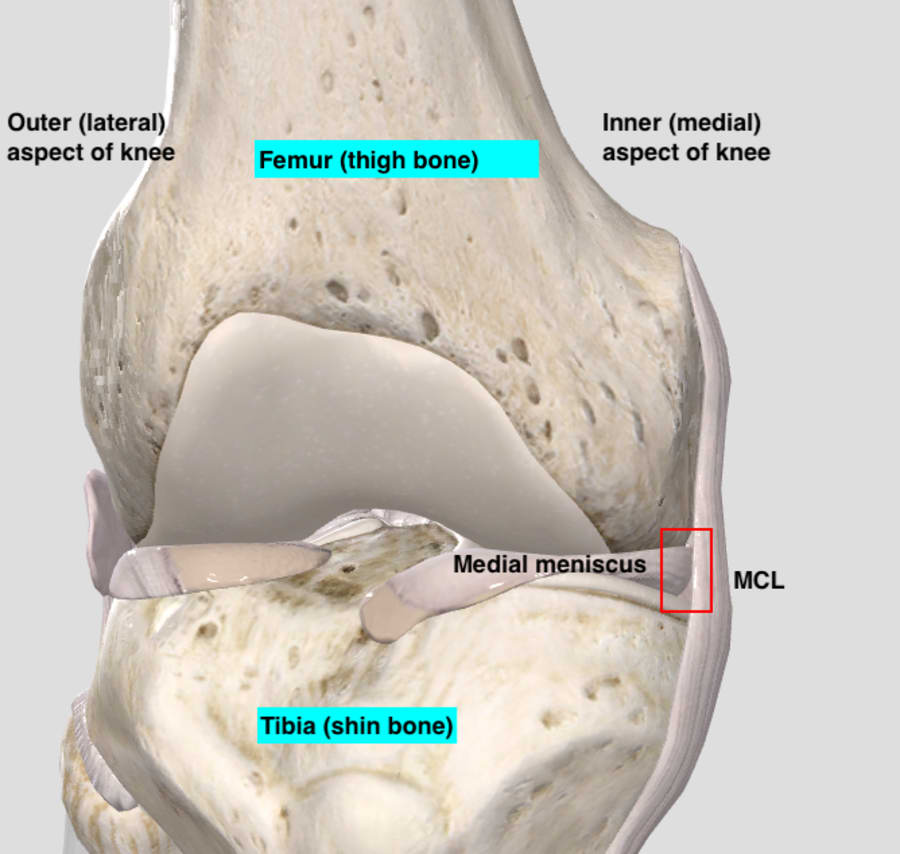
To that point, after consultation with specialists, it was deemed that Xhaka didn’t require surgery and this may also indicate that he doesn’t have significant meniscus damage as the MCL actually connects to the medial (inner) meniscus.
More good news!
Positive Indicators for Xhaka’s recovery
Some of the key things I’ve found dictating an athlete’s recovery pertains to their fitness levels prior to the injury – this is why “prehab” has become adopted more and more, even for non-athletes, overall commitment and discipline to the rehab and return to play process, and their mentality and resilience.
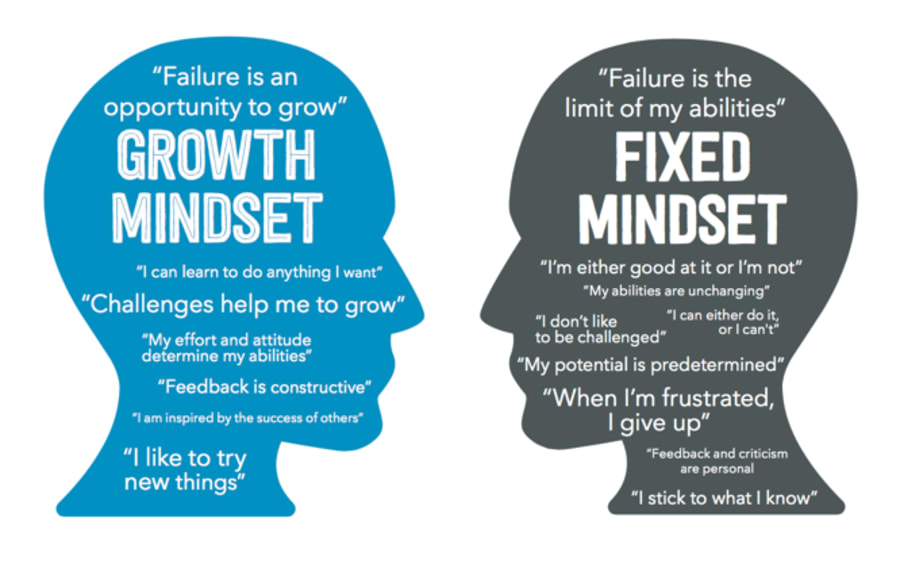
By numerous accounts – from players to coaching staffs to backroom staff – Xhaka has each in spades and is considered of the most fit and disciplined players in the world.
Lastly, Xhaka’s style of play relies on positional and tactical awareness combined with nuanced decision-making rather than sheer athleticism like 5 meter burst or pace. This places less demands on the knee so he can acclimate and reintegrate quicker.
Overall
The injury is clearly significant and will keep Xhaka out for the majority of the rest of the calendar year, again leaving Arsenal and Mikel Arteta without their true starting XI for an extended period of time.
The team – particularly new CM acquisition Albert Sambi Lokonga – will have to hold the line until Granit can return.
If you prefer a video version, you can find that Arsenal analysis here:
Fin. COYG.
Dr. Rajpal Brar, DPT, (@3cbperformance) is a physiotherapist, movement expert, fitness trainer, sports scientist and mindfulness coach. He runs the LA and online based physiotherapy and athletic performance clinic 3CB Performance, is an avid Gooner since 1995, and you can subscribe to his Youtube channel (which posts a variety of Gunners’ related content).
The Arsenal Review is proud to support environmental sustainability through the revolutionary earth prize initiative. If protection of the environment is a cause that appeals to you, please make sure you check out the earth prize here.