We’re living in a day and age like no other. There is so much opportunity in this world as a result of advancement in technology, but it is not without its downsides.
The advent of social media has allowed any person from anywhere in the world to interact with one another. In the context of football, players can build a personal brand on various social channels, communicate with their followers, and build an additional income stream. It has also given rise to fan blogs and channels which is wonderful and something to be cherished.
However, seeing only the positives means you are looking at things half glass empty.
On the other hand, social media has allowed people who can hide behind the picture of someone else to take out their insecurities openly and with no punishment. It can be in the form of threats, racial abuse, or malicious insults intended to cause psychological harm to a fellow individual.
Social media abuse when it comes to football is a very broad term. For example, I’ve been abused myself. Anyone who is somewhat prominent on a social platform would have been subjected to abuse. The reason why this is an important topic to discuss is not everyone is strong enough mentally to deal with it. For some people, it can hit a tipping point.
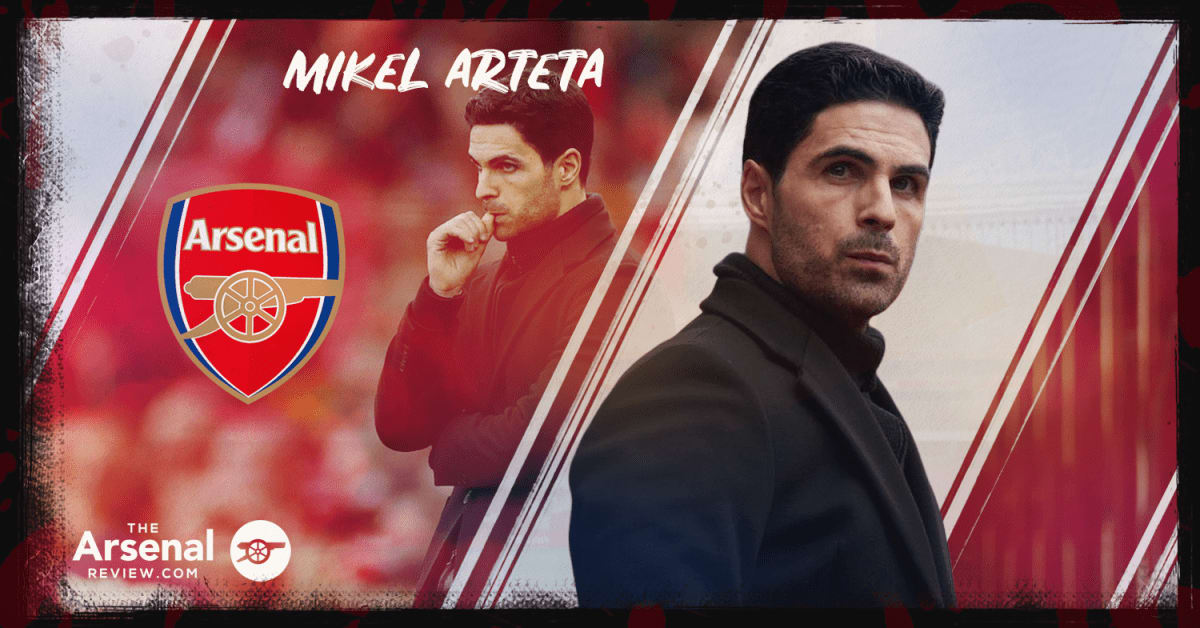
Yesterday, Mikel Arteta confirmed that he and his family were threatened online. Speaking about the threats, he said: “I’d prefer not to (speak about it) but I think we’re all exposed to that in this industry. That’s why I’d prefer not to read [social media] because it would affect me personally much more the moment that somebody wants to touch my family.”
At the end of the day, Mikel is doing a job he is getting paid for, just like you and me. The players are also doing the same. Any criticism has to be constructive and game-related. More people need to be educated on this.
Joe Willock revealed a few days ago that he too was abused online when he was a teenager and playing for Arsenal. His response sums it all really:
“There’s so much pressure on you already because you’re playing for Arsenal at 19 or 20 and that’s my job, my job is the limelight and you have all that pressure already, and you’re getting these messages as well – it’s crazy as well you know, what it can do to a young boy. For me, it didn’t really affect me that much because I have a really good family, a really good team behind me that helps me deal with these types of things. But for other people, I feel it could be detrimental to their careers – unless you have a good family or team, it’s virtually impossible. (to deal with it). When you are on social media, they @ you, they tag you, they message you. They’re always in your feeds and face you know, so it is so hard to deal with.”
I remember 2 incidents from 2016 that still stick in the memory – one, Aaron Ramsey being abused when he posted a picture with his newborn son. And Alex Iwobi being racially abused after a defeat away to Goodison Park.
Five years later, nothing has changed. If at all, things have only got worse.
As someone who uses Instagram from time to time, I noticed Eddie Nketiah having to disable comments because of fans abusing him after our win away at Molde this season. There are people in this fanbase that sent abuse to Granit Xhaka and his wife, Leonita, and have done the same to many other players.
I’ve also seen the club’s social media manager, Connor Armstrong getting abused for no real fault of his. Again, he is an employee who is getting paid for doing his job. Sure, you can say ‘announce this player’ or whatever, but let it just be banter. I saw a tweet the other day mocking him and insulting his physical appearance which was totally uncalled for.
Willock and Arteta opening up on this issue a couple of days back really made me think – what can we do to make this Arsenal community, whether it is on Facebook, Instagram or Twitter safer not just for the players, but for us fans too? This led me to form a list of things we can do.
• The sad reality is most of the online abuse is from fans that support the same team that an individual is a part of. It was Arsenal fans that sent threats to Arteta and his family – let’s be very clear. People say, ‘They are not Arsenal fans if they abuse our own players or manager.’ I think we must take responsibility because, in each fanbase, there are good and bad people. Simply choosing to say ‘they’re not an Arsenal fan’ ignores the issue. Let’s take responsibility for what a fellow supporter says and look to correct it.
• There are so many users on the biggest platforms that no matter how many get suspended, there are still enough to make things unpleasant. We have to pressure Twitter/Facebook/Instagram to make the app more friendly for all – there are people that manage to return even after being suspended as a result of their abusive behavior. And guess what, they continue being abusive.
•If someone is abusive towards you, you’d probably block and report them. But would you do the same if they exhibited the same behaviors to someone else? If not, you might want to consider doing that going forward. Multiple reports can make a difference. Don’t just report, state the reason and elaborate on why you think that account crossed a line. Only then will action be taken.
•There are huge groups of people out there who are also complicit in indulging in these kinds of things together. If you know someone from such a group, educate them. Show them there’s another way.
•It is important to call people out when they engage in abusive behavior. This should hopefully discourage others considering they might also be held accountable for what they say. Ian Wright revealed that he had been racially abused by a teenager on Instagram. I admire Wrighty so much for doing that. The fact that someone can open an app and message someone that kind of abuse cannot be allowed to go on.
•Allow players who are 21 and under to develop freely and avoid harsh criticism of them. Let’s ensure the talents that are coming through from Hale end are in the right state of mind. Positive comments on their posts will only encourage them further. Some of the comments on Nketiah’s recent posts disgust me.
• Self-reflection is important. Even if you’re casually slating a footballer in their comments on social media, you never know what effect that might have. At the end of the day, it is a game where confidence plays a huge role. It’s important to give every player in our team the confidence to achieve the best performance every single week.
There is never going to be an instant overnight fix.
It is us, as Arsenal fans that have to work hard when it comes to keeping things healthy. I wondered ‘What if social media Companies made it mandatory for you to have an ID? The fact of the matter is that won’t work as there are good people who don’t want to have their personal data shared on a platform, which for me is a fair enough reason.
The key takeaway from all of this is really – Let’s all come together, be cognizant of this issue and tackle it over time. If you have any suggestions that you think we can implement, please let me know in the comments below. #WeAreTheArsenal