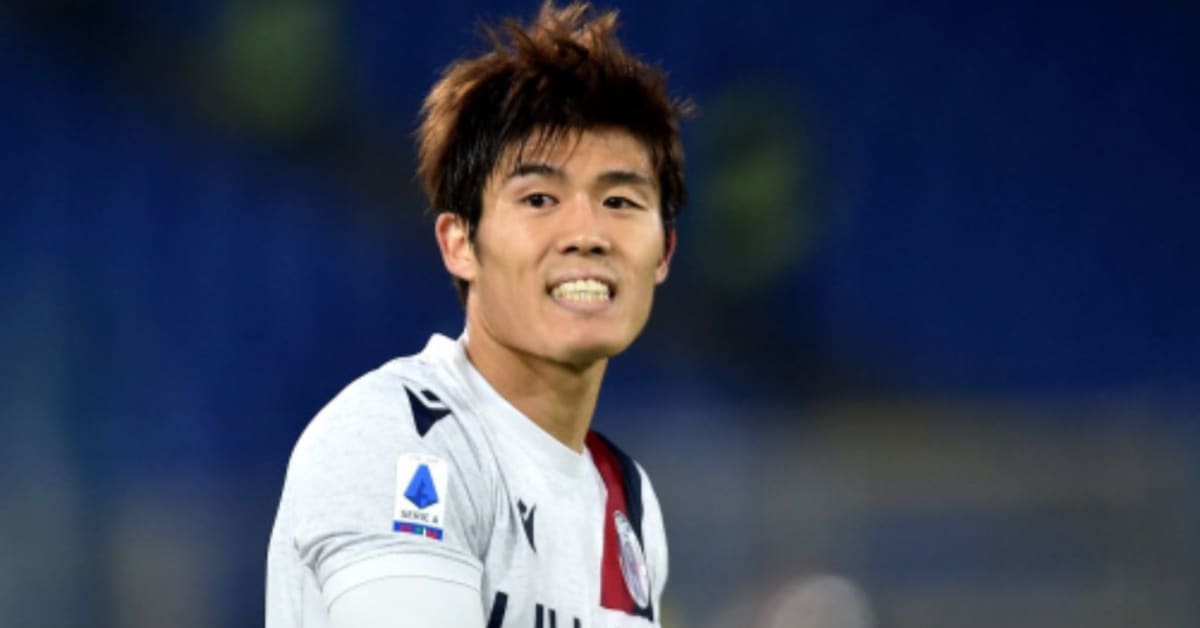
Arsenal acquired versatile Bologna and Japanese international right-back Takehiro Tomiyasu on deadline day to address a major need that has become increasingly apparent over the past season and particularly the first three weeks of this season.
With the importance of that position for Arsenal and the drop-off from Tomiyasu to the rest of the options, his durability is of particular importance. To analyze that, lets go through his injury history.
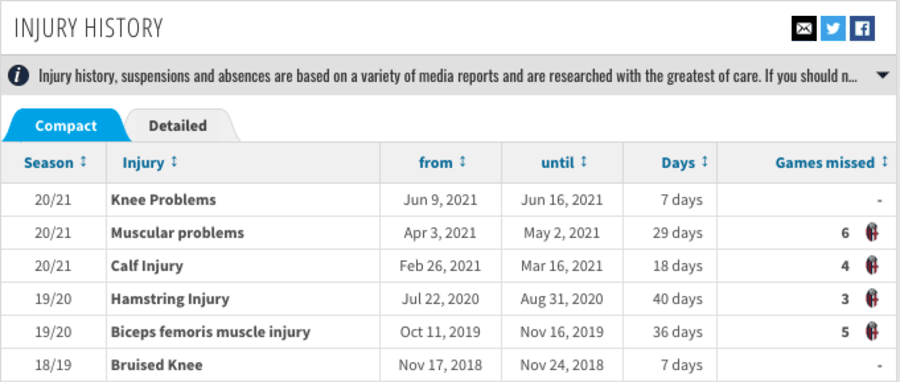
On the surface, Tomiyasu’s injury record looks moderately concerning because of the multiple soft tissue injuries, particularly to highly sensitive high demand muscles like the hamstrings and calf that are prone to recurrence. However, when you dig deeper, the concerns are significantly allayed.
Hamstring injuries
Takehiro did suffer two separate hamstring injuries – the first was a confirmed grade 2 tear – and I was unable to determine if it was a repeat injury or not. Two hamstring injuries with extended absences seem like a yellow flag but there are multiple reasons why it’s not in this case.
Firstly, the second hamstring injury came during the restart which we know was a tough time for players’ health and fitness due to training plans being completely disrupted by the 3 to 3.5 month shutdown period. You’d expect an increase in injury risk during this period.
Secondly, although the days out for the second injury is listed as “40 days”, Tomiyasu’s injury came when Bologna only had four games left so that period very well may include the off-season period before he returned to training rather than being an indicator of severity.
Thirdly, and perhaps most importantly, he hasn’t suffered another recurrence of the injury which is particularly impressive during the 2020/21 season because it was unprecedented in terms of limited off-season and amount of games played over that amount of time.
Calf injury & “muscular problems”
Speaking to the last point, although Takehiro avoided a hamstring recurrence – he did suffer a calf injury and then from my understanding, the follow-up muscular problems were also calf related.
That injury-reinjury is a yellow flag BUT it’s not entirely unexpected due to my previous point about unprecedented circumstances – the data shows a significant increase in injury risk across all leagues – and the fact that the calves are notorious for reinjury regardless.
Olympics
Last but not least, Tomiyasu had a “knee problem” and also twisted his ankle (unlisted above) during the Olympics pre-season but both were minor problems. To that point, he was able to play through them for Japan in the Olympics.
Closing Thoughts
Considering the full context of the muscular injuries and the details I parsed out above, Tomiyasu’s injury record doesn’t concern me all that much. Further, there’s been multiple reports about his professionalism and discipline so I have no concerns over his commitment to ongoing strength training and conditioning to reduce reinjury and new injury risks.
If you prefer a video version, you can find that Arsenal analysis here:
Fin. COYG.
Dr. Rajpal Brar, DPT, (@3cbperformance) is a physiotherapist, movement expert, fitness trainer, sports scientist and mindfulness coach. He runs the LA and online based wellness and athletic performance clinic 3CB Performance, is an avid Gooner since 1995, and you can subscribe to his Youtube channel (which posts a variety of Gunners’ related content).